Design Inspiration
How to Make Your Apartment Look Expensive on a Budget
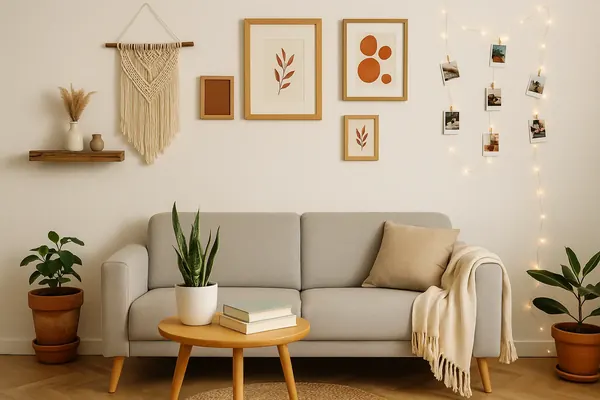
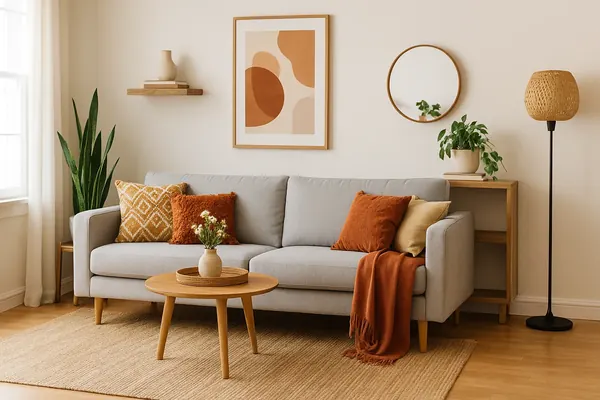
Curtains hung high, warm layered light, bigger rugs and fewer, better objects: the designer moves that make any apartment look luxurious without a big budget.
Free design tool
Enter your total budget, room type, top priority, and whether you prefer DIY or buying, and this decorating budget planner splits the money across every category a finished room needs. It also flags where to splurge and where to save so your budget goes further.
Results are planning guidelines based on standard interior design rules of thumb. Always measure twice and check product dimensions before you buy.
The planner starts from a proven category split for a living room and then adjusts it based on the room you choose, your top priority, and whether you plan to DIY. Every finished room needs more than furniture: lighting, a rug, art, window treatments, and the small things that make it feel lived in. Most rooms that look unfinished got there because the budget ran out before those categories were covered. Allocating up front prevents that.
| Category | Share | On a $3,000 budget | On a $5,000 budget |
|---|---|---|---|
| Furniture | 45% | $1,350 | $2,250 |
| Rugs & textiles | 15% | $450 | $750 |
| Lighting | 10% | $300 | $500 |
| Art & wall decor | 10% | $300 | $500 |
| Window treatments | 8% | $240 | $400 |
| Contingency | 7% | $210 | $350 |
| Accessories & plants | 5% | $150 | $250 |
These are the default living room percentages. The planner shifts them for other rooms; in a bedroom, for example, the mattress and bed frame pull more toward furniture and bedding pulls more toward textiles.
The priority setting moves money toward what matters most to you:
Choosing DIY lowers the amount reserved for art, wall decor, and accessories, since those are the easiest categories to make yourself, and moves the savings to furniture and lighting. Our DIY home decor ideas are a good place to start.
The rule of thumb behind the planner's notes is simple: splurge on what you touch daily, save on what you will likely replace.
| Splurge | Save |
|---|---|
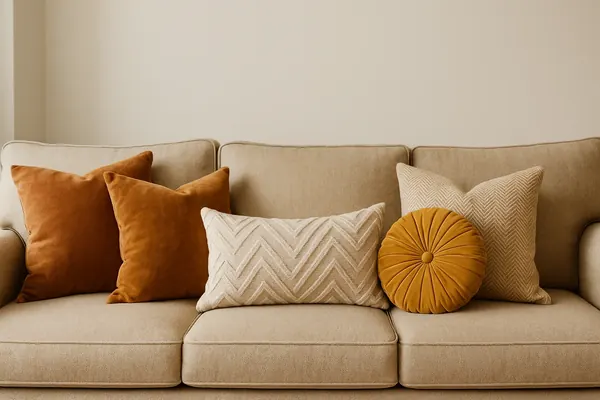
| Sofa and main seating | Throw pillows and covers |
| Mattress and bedding you sleep on | Decorative objects and trays |
| Lighting you see every day | Trend-driven accent pieces |
| Desk chair, if you work from home | Side tables and stools |
| A large rug in a high-traffic room | Picture frames and simple prints |
A well-made sofa or mattress is used for hours every day for years, so cost per use is low. Accessories follow trends and are easy to swap, so they rarely justify premium prices.
Designer tip: Spend your contingency last. If you get to the end of the project and have not needed it, use it to upgrade one item that will make the biggest visual difference, often a better lamp or larger art. Upgrading a single piece reads as more luxurious than adding several small extras.
Once you have your allocations, treat each category as its own mini budget. Keep a simple list with the planned amount, what you actually spent, and the difference, and update it every time you buy something. If you overspend on the sofa, decide right away which category gives up the difference rather than discovering the shortfall when it is time to buy curtains.
If your budget will not stretch to everything at once, phase the room. Buy the pieces that make the space usable first (seating, a bed, essential lighting), then add the rug and window treatments, and finish with art and accessories. Living in the room for a few weeks before buying the finishing layer also helps you choose decor that suits how you actually use the space.
You do not need a big budget for a high-end look; you need a cohesive one. Stick to a tight color palette, repeat two or three materials, size rugs and curtains correctly, and layer lighting. Buy secondhand solid wood pieces and refinish or restyle them. Phase purchases over months rather than filling the room at once with placeholders you will want to replace.
For more strategies, read our guide on how to make your apartment look expensive and browse our apartment decorating ideas for room-by-room inspiration.
Costs vary widely with the room, its size, and the quality of pieces you choose. A refresh with textiles, lighting, and art can cost a few hundred dollars, while furnishing a living room from scratch with quality pieces often runs into the thousands. Set a total you are comfortable with first, then use the planner to divide it by category.
In a living room, about 45 percent of the decorating budget typically goes to furniture, because the sofa, chairs, and tables are the largest and most-used pieces. The rest is split among rugs and textiles (15 percent), lighting (10 percent), art (10 percent), window treatments (8 percent), accessories and plants (5 percent), and a 7 percent contingency.
Splurge on what you touch and use every day, such as the sofa, mattress, desk chair, and the lighting you see most. Quality there pays off in comfort and longevity. Save on trend-driven items and accessories like throw pillows, vases, and decorative objects, which are easy and inexpensive to swap when your taste changes.
A contingency, around 7 percent of the total, covers costs that almost always appear: delivery and assembly fees, hardware, a rug pad, extra paint, or a piece that turns out to be the wrong size. Setting this money aside from the start keeps you from overspending or leaving a room unfinished when surprises come up.
Prioritize the pieces that define the room, then phase the rest. Buy secondhand solid wood furniture, DIY art and simple decor, and use paint or textiles for big visual impact. Focus spending on one standout piece rather than many cheap ones. Choosing the DIY option in the planner moves money from art and accessories toward furniture and lighting.
Curtains hung high, warm layered light, bigger rugs and fewer, better objects: the designer moves that make any apartment look luxurious without a big budget.
Eight DIY projects that look expensive, from oversized textured art to a fluted nightstand and upholstered headboard, each with materials, cost, time and steps.
Thirty renter-friendly apartment decorating ideas grouped by room, each tagged by budget, plus a step-by-step plan for decorating an apartment from scratch.