Mudroom Organization: How to Create a Drop Zone in Any Home or Apartment
No mudroom? No problem. Plan a drop zone by the door with the right hooks, shoe storage and measurements, or get a full mudroom working better.
Key takeaways
- A drop zone on one wall by the door does a mudroom's job in as little as 24 inches of wall.
- Organize by zone: shoes, coats and bags, drop items, grab-and-go gear, pets and off-season storage.
- Hang adult hooks at 60 to 66 inches, kids' hooks at 36 to 48 inches, and keep benches about 18 inches high.
- Keep at least 36 inches of clear walkway past entry furniture and anchor tall cabinets to the wall.
- Keep only in-season items and one or two pairs of shoes per person in the entry.
Mudroom organization comes down to one idea: give everything that crosses your threshold a specific place within a few steps of the door. Shoes, coats, bags, keys, umbrellas, the dog leash and the mail all need a landing spot, or they end up on the floor, the sofa and the kitchen counter. You do not need a dedicated room to make that happen. Most apartments have no mudroom at all, just a door that opens into a hallway or straight into the living space, and a well-planned "drop zone" on the wall beside it does the same job.
This guide works for both situations. If you have a real mudroom, you will find layout measurements, zone planning and storage ideas. If you live in an apartment, you will find small entryway ideas that fit in as little as 24 in. (61 cm) of wall, most of them renter-friendly.
Mudroom vs. Drop Zone: What Do You Actually Need?
A mudroom is a separate room or wide hallway, typically off a side or garage door, built for messy arrivals. A drop zone is a compact version: a bench or console, a few hooks, shoe storage and a spot for keys, grouped on a single wall by the door. The functions are the same; the footprint is not.
| Setup | Typical space | Core pieces | Typical cost range |
|---|---|---|---|
| Micro drop zone (apartment) | 24–36 in. of wall, 10–12 in. deep | Wall hooks, slim shoe cabinet, small shelf or key box | $80–$300 |
| Entry wall (apartment or small house) | 36–60 in. of wall, 15–18 in. deep | Bench with shoe storage, hook rail, shelf, mirror | $200–$700 |
| Closet conversion | A standard coat closet | Doors removed or kept, bench, hooks, shelves | $150–$600 DIY |
| Full mudroom | A room or wide hallway | Lockers or cubbies, bench, overhead storage, durable floor | $1,000–$5,000+ for built-ins |
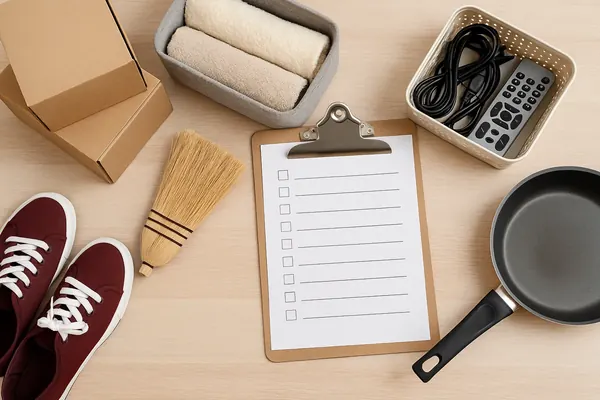
Start with what you carry in daily, not with the furniture. Count the coats in rotation, the pairs of shoes worn this week, the bags that go out every day, and any pet gear. That list sets the size of your system.
How to Organize an Apartment Entryway With No Mudroom
Apartment entryway organization is about using vertical space and keeping the floor clear, because the entry is often also a walkway into the main room.
Map the zone
Stand inside the door and find the closest wall that does not block the door swing. That wall is your drop zone. If the door opens against it, use the wall on the latch side or the first stretch of hallway. Allow at least 36 in. (91 cm) of clear walkway past any furniture.
Build it in layers
- Floor: A slim tilt-out shoe cabinet (about 7 to 10 in. deep) or a two-tier shoe rack. Tilt-out cabinets hide shoes completely and double as a console.
- Waist height: The top of the shoe cabinet or a narrow console holds a tray for keys and a small lamp.
- Eye level: A mirror or a key cabinet. A mirror makes a narrow entry feel wider and gives you a last check on your way out.
- Above: A hook rail or a row of individual hooks for coats and bags, with a shelf above for hats or a basket of gloves.
Use the back of the door
An over-the-door rack holds coats, tote bags or reusable shopping bags with no holes. Choose one with a low-profile hook that does not stop the door from closing.
Renter note: Small nail or screw holes for hooks and shelves are usually treated as normal wear, but check your lease. For no-drill options, use a freestanding coat stand, an over-the-door rack, a leaning ladder shelf or a tension-pole system. Anchor any tall shoe cabinet to the wall with an anti-tip kit; most leases allow this for safety.
Small Entryway Ideas That Make a Big Difference
When you only have a narrow strip of wall, every piece has to do two jobs.
- A storage bench with a lift-up seat or baskets below gives you somewhere to sit while you put shoes on and hides shoes at the same time. A seat height of about 18 in. (46 cm) is comfortable.
- A floating shelf with hooks underneath combines a landing spot for keys and mail with coat hooks in one piece.
- A wall-mounted fold-down shelf works where floor space is tight.
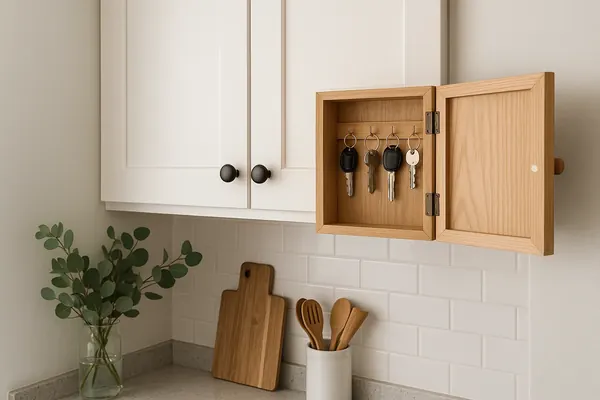
- A hidden key cabinet keeps keys and spares in one place and looks like framed art.
- A mail sorter or wall pocket stops paper reaching the kitchen counter.
- Lidded baskets in one material (seagrass, woven cotton, leather) hide hats, gloves, dog leashes and sunscreen.
Make it look intentional
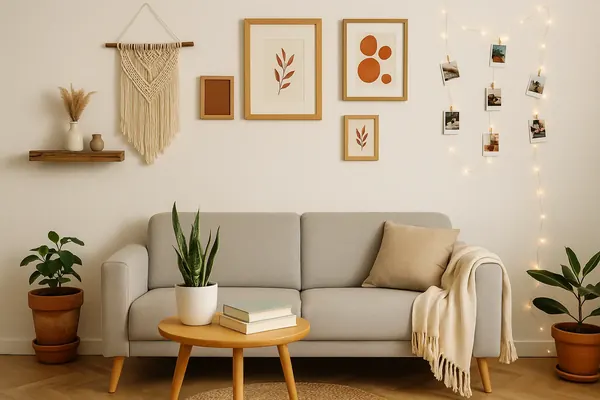
Entryways set the first impression of your home. A runner sized to the space, a mirror, a small lamp and one plant or vase of branches make a drop zone feel like a designed vignette instead of a storage corner. Use our rug size calculator to pick a runner that leaves 4 to 6 in. of floor visible on each side.
Designer tip: Repeat one metal on the hooks, the mirror frame and the lamp. Matching finishes make even a tiny drop zone look custom.
Mudroom Organization by Zone
Whether you are working with a full room or a single wall, organize by zone. Each zone holds one category so everyone knows where things go.
| Zone | What it holds | Best storage | Key measurement |
|---|---|---|---|
| Shoes | Daily pairs only | Bench cubbies, tilt-out cabinet, boot tray | 12–14 in. deep for adult shoes |
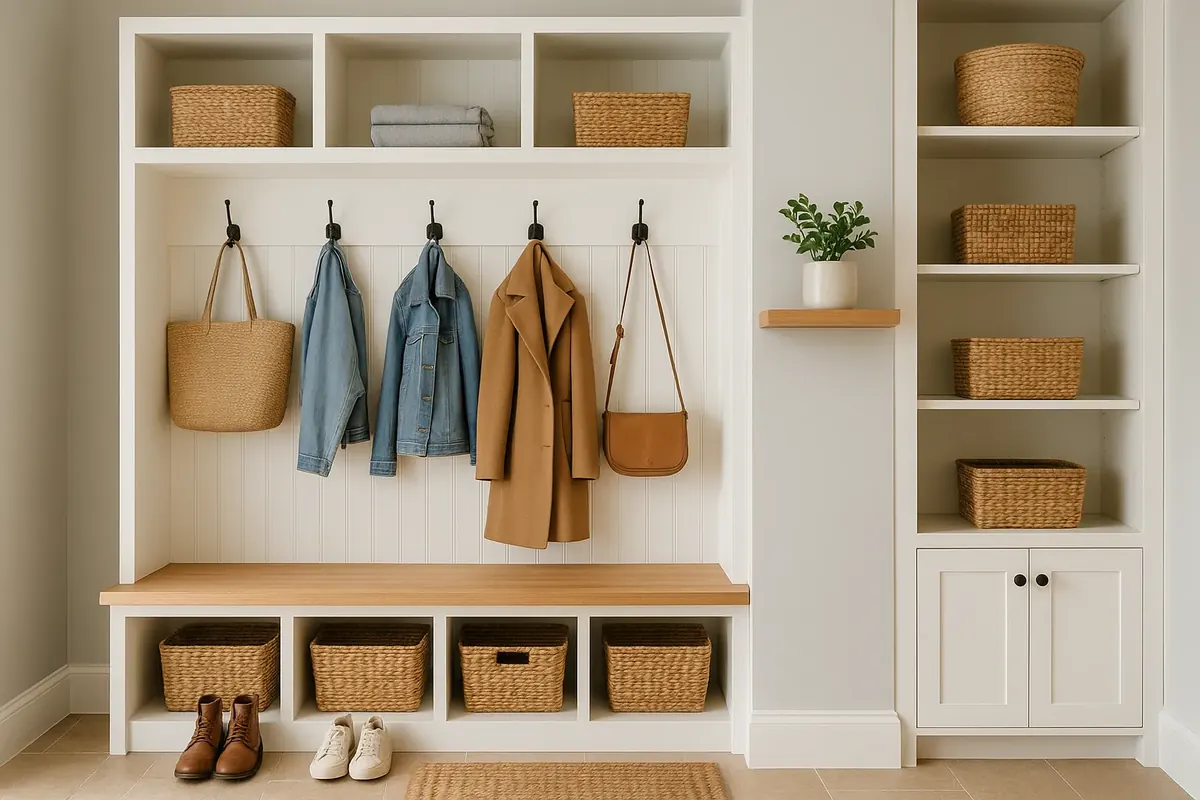
| Coats and bags | In-season coats, daily bags | Hooks, hook rail, lockers | Adult hooks 60–66 in. high, kids 36–48 in. |
| Drop | Keys, wallet, sunglasses, mail | Tray, key cabinet, wall pocket | Shelf or console at 30–36 in. high |
| Grab-and-go | Umbrellas, reusable bags, sunscreen, masks | Baskets, umbrella stand, labeled bins | Bins at reach height, under 72 in. |
| Pets | Leash, poop bags, towel, treats | Dedicated hook and small bin | Near the door, at hand height |
| Off-season | Winter gear, sports equipment | Top shelf bins, closet | Above 72 in. or elsewhere |
One hook, one person
In shared homes, assign each person their own hooks and their own basket or cubby. Personal zones stop the slow pile-up of everyone's coats on one hook. Label them if needed.
Rotate seasonally
Only current-season items belong in the drop zone. Move heavy winter coats and boots to a closet in spring, and swap in umbrellas and light jackets. Our declutter checklist is a good prompt for that seasonal edit.
Mudroom Ideas for Small Spaces in Houses
If you have a house with a small back entry, laundry corridor or garage door, these mudroom ideas for small spaces squeeze full function into a few feet.
Convert a coat closet
Remove the closet doors (store them) or keep them for a cleaner look. Install a bench at 18 in. high with shoe cubbies underneath, a hook rail at about 60 in., and a shelf with labeled bins above. A closet conversion is one of the most efficient mudroom projects because the walls already frame the zone.
Build a single wall of lockers
Freestanding locker-style cabinets about 15 to 18 in. wide per person give each family member a tall slot with a hook, a shelf and a cubby. Anchor them to the wall.
Use the laundry room
If your back door opens near the laundry, a wall of hooks and a bench can share the space. Our guide to small laundry room ideas shows how to fit storage around appliances.
Choose durable surfaces
Mudrooms take a beating. Use washable or scrubbable paint, a boot tray under wet shoes, and a hard floor or indoor-outdoor rug. Hooks and hardware in powder-coated or solid metal last longer than plated finishes.
Entryway Storage Ideas Compared
Choosing the right entryway storage depends on your depth, your lease and how many people use the door.
| Storage piece | Depth needed | Holds | Renter-friendly? |
|---|---|---|---|
| Tilt-out shoe cabinet | 7–10 in. | 8–18 pairs depending on size | Yes, anchor with a strap |
| Storage bench | 14–18 in. | Shoes, baskets, seating | Yes |
| Hook rail | 2–4 in. | Coats, bags, leashes | Small screw holes |
| Hall tree | 14–18 in. | Coats, bench, shoes in one | Yes, freestanding |
| Narrow console | 10–12 in. | Keys, mail, lamp, baskets below | Yes |
| Over-the-door rack | 1–2 in. | Coats, bags | Yes, no holes |
| Wall-mounted cubbies | 8–12 in. | Hats, gloves, small items | Screw holes, anchors |
How to Keep a Mudroom or Drop Zone Organized
A well-designed entry stays tidy only if it is easier to use than to ignore. These habits keep it working.
- Limit shoes in the entry to one or two pairs per person; the rest live in closets.
- Empty bags and pockets as soon as you come in: keys on the hook, mail in the pocket, trash in the bin.
- Keep a small wastebasket or recycling bin near the mail spot for junk mail.
- Do a two-minute reset every evening: hooks cleared of extras, baskets closed, tray emptied.
- Rotate seasonal gear at the start of each season.
- Wipe the boot tray and shake out the runner weekly in wet months.
If items keep landing somewhere else, move the storage to where they land rather than trying to change the habit. That is the whole principle behind a good drop zone.
Styling an Entryway So It Feels High-End
An organized entry can still feel cold. These finishing touches make it welcoming.
- Light it. A small table lamp or plug-in wall sconce with a warm white bulb (2700K) is friendlier than the hallway ceiling light alone.
- Hang a mirror. A round or arched mirror about two-thirds the width of the console or bench below looks balanced.
- Frame the door. In a house, upgraded casing around the entry door adds architecture. See our guide to front door trim ideas.
- Add one natural element. A vase of branches, a trailing plant or a wooden bowl softens the hard storage pieces.
- Edit display items. Keep decor on the console to three items or fewer so there is still room to drop keys.
The best entryway is the one you never have to think about on your way out the door.
Putting It All Together
Start by listing what you carry in every day, then pick the wall or room closest to the door. Plan the layers from floor to ceiling: shoes, a landing surface, keys and mirror at eye level, hooks above. Assign zones and personal spots, keep only in-season items out, and add a lamp and a mirror so the space feels welcoming. Whether it is a full mudroom or a 30 in. strip of wall in a studio, the same system works. For more ways to make a compact home work harder, see our small apartment ideas.
Frequently Asked Questions
How do I organize my entryway if I don't have a mudroom?
Pick the wall closest to the door that does not block the door swing and build a drop zone there: a slim shoe cabinet or bench at floor level, a tray or key cabinet at waist or eye level, and hooks above. Use the back of the door for an over-the-door rack and keep only daily items in the zone.
How high should mudroom hooks be?
For adults, hooks are typically mounted around 60 to 66 inches from the floor so long coats clear a bench below. For children, 36 to 48 inches lets them reach their own hooks. A second row of lower hooks also works well for bags and dog leashes.
How deep should a mudroom bench be?
A depth of about 15 to 18 inches is comfortable for sitting and fits most adult shoes in cubbies underneath. In tight apartment entries, a narrower 12 to 14 inch bench can work. Aim for a seat height of about 18 inches.
What is the best shoe storage for a small entryway?
A tilt-out shoe cabinet is often the best choice because it is only about 7 to 10 inches deep, hides shoes completely and doubles as a console for keys. A storage bench with cubbies works well if you have 15 to 18 inches of depth and want somewhere to sit.
How much does it cost to build a mudroom?
Costs vary widely. A simple apartment drop zone with hooks, a shoe cabinet and a key box typically runs about $80 to $300. A DIY coat closet conversion might cost $150 to $600, while custom built-in mudroom cabinetry commonly starts around $1,000 and can go well beyond $5,000.

We research designer standards, measure real rooms and test every recommendation against apartment realities: tight footprints, lease rules and budgets. How we write our guides.